How To Know If Invisalign Is Right For You
Choosing to straighten your teeth as an adult or teenager often comes with mixed feelings. You may like the idea of improving alignment but feel uncertain about how orthodontic treatment fits into everyday life. Clear aligner systems such as Invisalign have changed how many people approach orthodontics, offering a discreet alternative to traditional braces while still requiring commitment and informed decision-making. Understanding how Invisalign works, who it may suit and what treatment involves can help you decide whether it aligns with your dental goals and lifestyle. The right dentist in St Ives can help you make these decisions.
Invisalign is not a one-size-fits-all solution. It suits some people very well while others may be better served by different orthodontic options. The information below explores how Invisalign compares to braces, who can consider treatment and what the process typically involves, helping you approach your decision with clarity rather than assumptions.
Understanding What Invisalign Treatment Involves
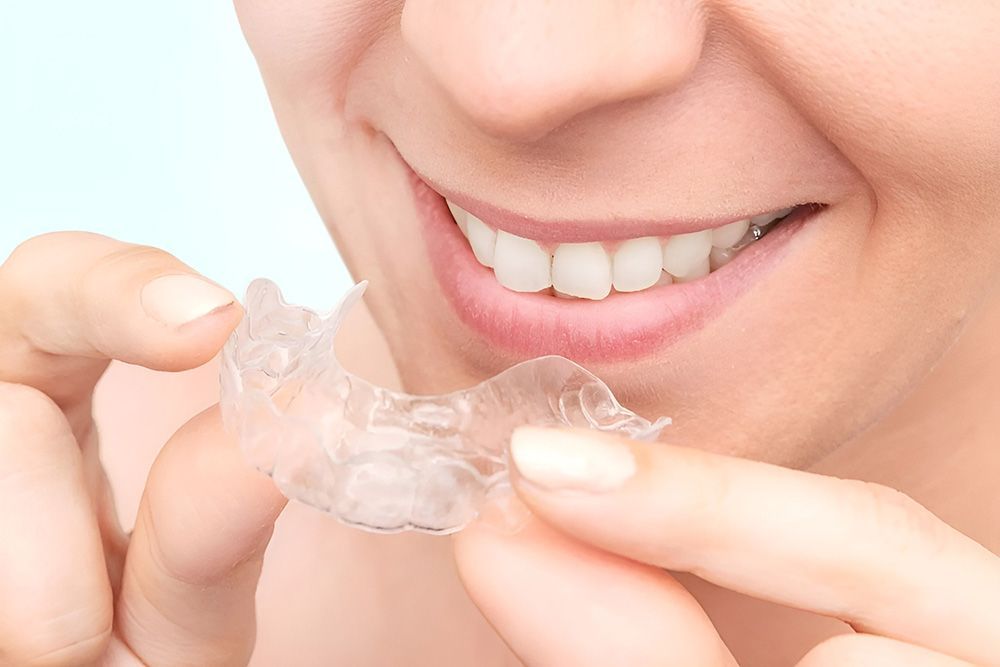
Invisalign uses a series of clear, removable aligners that are custom-made to gradually move teeth into a planned position. Each aligner is worn for a set period before moving on to the next in the series, following a carefully mapped progression.
Unlike fixed orthodontic appliances, Invisalign aligners can be removed for eating, drinking and cleaning. This design appeals to people who want flexibility while undergoing orthodontic care. Treatment planning usually involves digital scans or impressions, which are used to create a sequence of aligners tailored to your teeth.
Key features of Invisalign treatment include:
- Clear aligners designed to be discreet when worn
- A staged approach where aligners are changed regularly
- Removable trays that support daily oral hygiene routines
- A structured treatment plan overseen by a dentist
Understanding these fundamentals helps set realistic expectations before considering whether Invisalign suits your needs.
Comparing Invisalign & Traditional Braces for Daily Comfort
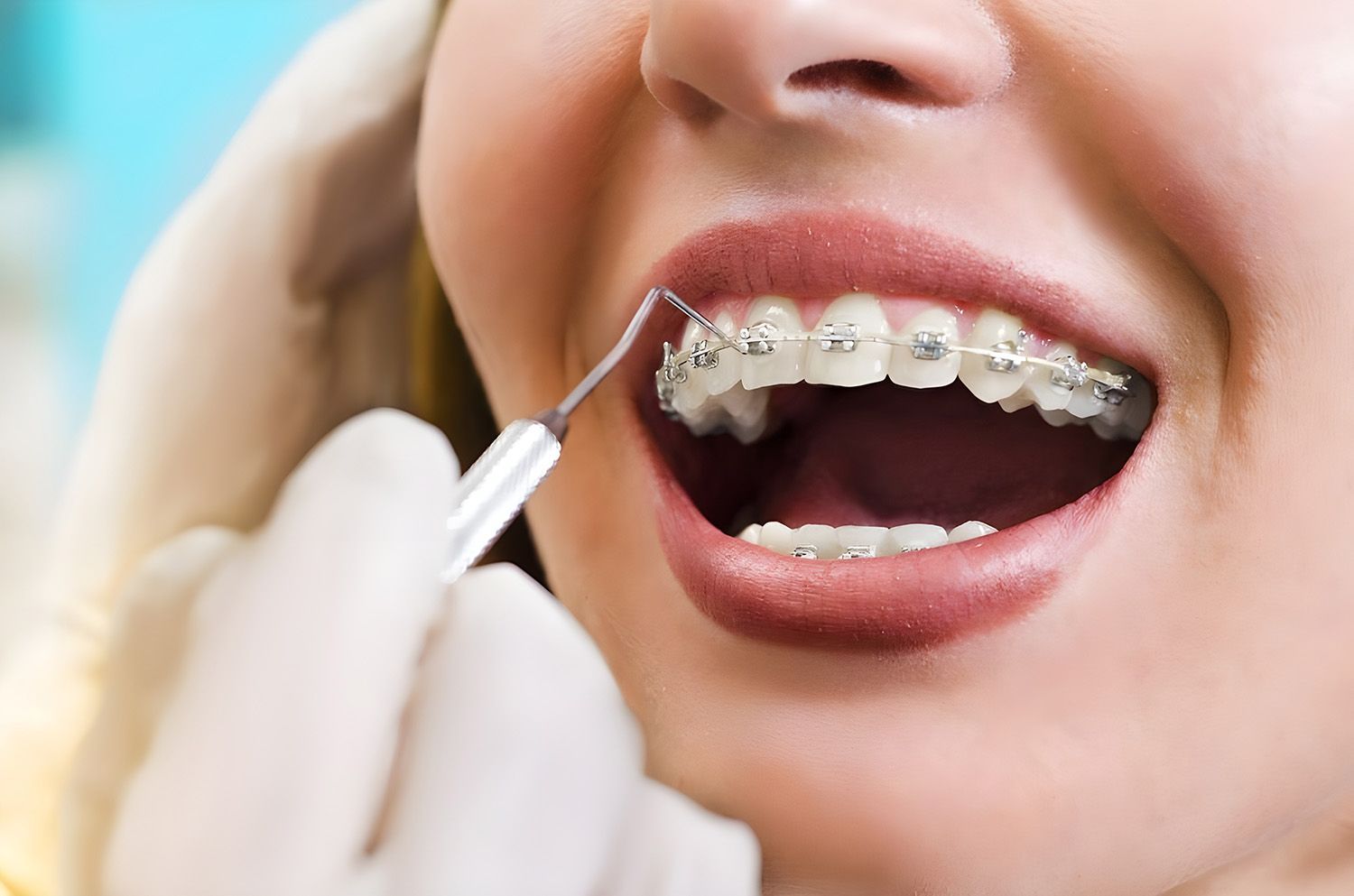
One of the main reasons people explore Invisalign is comfort and how treatment fits into everyday routines. Traditional braces rely on brackets and wires that remain fixed to the teeth throughout treatment, which can affect eating habits and require adjustments over time.
Invisalign aligners are made from smooth, medical-grade plastic and are designed to sit closely against the teeth. While any orthodontic movement can cause temporary discomfort, many people find the sensation different from that associated with braces.
Lifestyle-related differences often include:
- No wires or brackets that may rub against the cheeks or lips
- Fewer dietary restrictions since aligners are removed during meals
- Less disruption to activities such as playing musical instruments or sports
- The ability to maintain usual brushing & flossing routines
Comfort is personal and varies from person to person, but understanding these differences can help frame your expectations.
How Invisalign Fits into Work, School & Social Life
Orthodontic treatment often coincides with busy periods of life, whether that is school, work or social commitments. Invisalign is designed to be worn for most of the day, usually around 20 to 22 hours, but can be removed briefly when needed.
For adults, this flexibility may make it easier to attend meetings, events or presentations without feeling self-conscious. Teenagers may also appreciate a treatment option that blends into daily life without drawing attention.
Lifestyle considerations include:
- Wearing aligners consistently to stay on track with the treatment plan
- Removing aligners for meals & cleaning only
- Storing aligners safely when not in use
- Adjusting routines to remember aligner changes
Invisalign still requires discipline and responsibility, which is an important factor to consider before starting treatment.
Age Considerations & Suitability for Invisalign
There is no strict age limit for Invisalign. Both teenagers and adults can be considered for treatment, provided their teeth and gums are healthy and their orthodontic needs are suitable for clear aligners.
For teenagers, Invisalign may include features designed to accommodate growing mouths and encourage wear compliance. Adults often seek Invisalign later in life to address crowding, spacing or bite concerns that were never treated or have changed over time.
Suitability may depend on:
- The complexity of tooth movement required
- Overall oral health, including gum condition
- Willingness to wear aligners as directed
- Ongoing dental care during treatment
A dental assessment is necessary to determine whether Invisalign aligns with your individual circumstances rather than age alone.
Types of Orthodontic Concerns Invisalign May Address
Invisalign is commonly used to manage a range of mild to moderate orthodontic issues. While it may not be appropriate for every case, it can be considered for many alignment concerns when planned carefully.
Conditions often assessed for Invisalign include:
- Crowded teeth
- Gaps or spacing issues
- Mild to moderate bite irregularities
- Teeth that have shifted after previous orthodontic treatment
More complex cases may require alternative approaches or additional orthodontic options. Understanding this helps avoid unrealistic expectations about what Invisalign can achieve.
What the Invisalign Treatment Process Looks Like
Starting Invisalign treatment typically begins with a consultation and assessment. Digital scans or impressions are used to create a customised treatment plan that outlines how teeth are expected to move over time.
Once aligners are created, they are worn in sequence, with each set used for a specific period. Regular dental visits allow progress to be monitored and adjustments made if needed.
The process generally includes:
- Initial assessment & treatment planning
- Fitting of the first set of aligners
- Scheduled check-ups to review progress
- Completion & discussion of retention options
Clear communication and ongoing monitoring are essential parts of orthodontic care, regardless of the appliance used.
How Long Invisalign Treatment Usually Takes
Treatment duration with Invisalign varies depending on the individual and the complexity of their orthodontic needs. Some people may complete treatment in under a year, while others may require longer.
Factors influencing treatment length include:
- The extent of tooth movement required
- Consistency in wearing aligners as directed
- Adherence to follow-up appointments
- Oral health throughout treatment
It is important to view treatment timelines as estimates rather than fixed deadlines, as individual responses to orthodontic movement differ.
Making an Informed Decision About Invisalign
Deciding whether Invisalign is right for you involves more than aesthetics alone. It requires considering commitment, lifestyle habits and dental needs alongside personal goals.
Before proceeding, it may help to reflect on:
- Your ability to wear aligners for most of the day
- Willingness to attend regular dental reviews
- Long-term maintenance after treatment
- Alternative orthodontic options if Invisalign is not suitable
Informed decisions are built on understanding both the benefits and responsibilities that come with orthodontic treatment.
Get in Touch
At
St Ives Dental Boutique, we understand that choosing orthodontic care can feel overwhelming, particularly when balancing work, school and family commitments. If you are searching for a ‘dentist in St Ives’ or a ‘dentist near me’ and want to explore whether Invisalign could suit your needs, we invite you to book a consultation with our team. Visit our website to learn more about our approach or to
make an enquiry and take the next step towards informed orthodontic care.