What To Do When You Need An Emergency Dentist In St Ives
Dental emergencies have a way of happening when you least expect them. One minute you’re enjoying a meal, the next there’s a sharp pain, a cracked tooth, or bleeding gums. These moments are often stressful and confusing—especially if it’s after hours or you’re unsure what to do next. That’s where having a plan, knowing how to manage symptoms and understanding the role of an emergency dentist in St Ives becomes invaluable.
This guide covers everything from recognising common emergency scenarios to the steps you can take before seeing a dentist. It also walks you through what to expect during an urgent visit and how you can reduce the chance of further dental trouble in the future.
Recognising the Signs of a Dental Emergency
Some oral problems develop gradually, while others demand immediate action. Understanding the signs of a true dental emergency can help you respond quickly and calmly.
Here are situations that may require urgent dental attention:
- Intense, ongoing toothache that disrupts sleep or makes it difficult to eat or drink comfortably.
- A tooth that’s chipped, cracked or knocked out, especially if caused by trauma or sudden impact.
- Gum or facial swelling that appears suddenly or continues to worsen may indicate an infection.
- Persistent bleeding from the mouth, gums or soft tissues, which doesn’t stop with gentle pressure.
- Loose or partially dislodged teeth following an accident or biting down on a hard object.
- Pain in the jaw or difficulty opening your mouth, which could relate to muscle strain or joint dysfunction.
Responding early to these signs by calling an emergency dentist in St Ives may help limit the severity of the issue and reduce discomfort.
First Steps at Home Before You See a Dentist
If you're experiencing a dental emergency, taking safe, basic actions before getting to the clinic may help with comfort and protection of the affected area.
You can consider the following home care measures:
- Rinse gently with warm water to remove food or debris and keep the mouth clean.
- Apply a cold compress (wrapped in cloth) to your cheek to help with swelling and ease discomfort.
- Use clean gauze or cloth to apply pressure to areas that are bleeding until the flow slows down.
- If a tooth has been knocked out, hold it by the crown (not the root), rinse it gently, and store it in milk or your own saliva.
- Stick to soft, cool foods and avoid chewing on the affected side if you have a broken or sensitive tooth.
- Avoid applying aspirin directly to the gums, as this can cause irritation to soft tissue.
These steps may help manage the situation briefly while you organise to see an emergency dentist in St Ives.
Making the Call: What to Share with the Dental Clinic
Reaching out to the dental clinic quickly gives you a better chance of being seen promptly and receiving the right guidance over the phone.
When calling the clinic, it’s helpful to provide the following information:
- Clearly describe the main issue, whether it's severe pain, trauma, swelling or visible damage to a tooth.
- Let them know when the issue started and if symptoms are getting worse or staying the same.
- Mention any allergies, medications or relevant medical conditions that could affect treatment planning.
- Ask how soon you can come in and whether there are instructions to follow in the meantime.
- If you're calling for a child, include their age and whether the tooth involved is likely a baby or adult tooth.
Clear communication at this stage can help the emergency dentist in St Ives prepare for your visit and prioritise care.
What Happens During the Emergency Dental Appointment
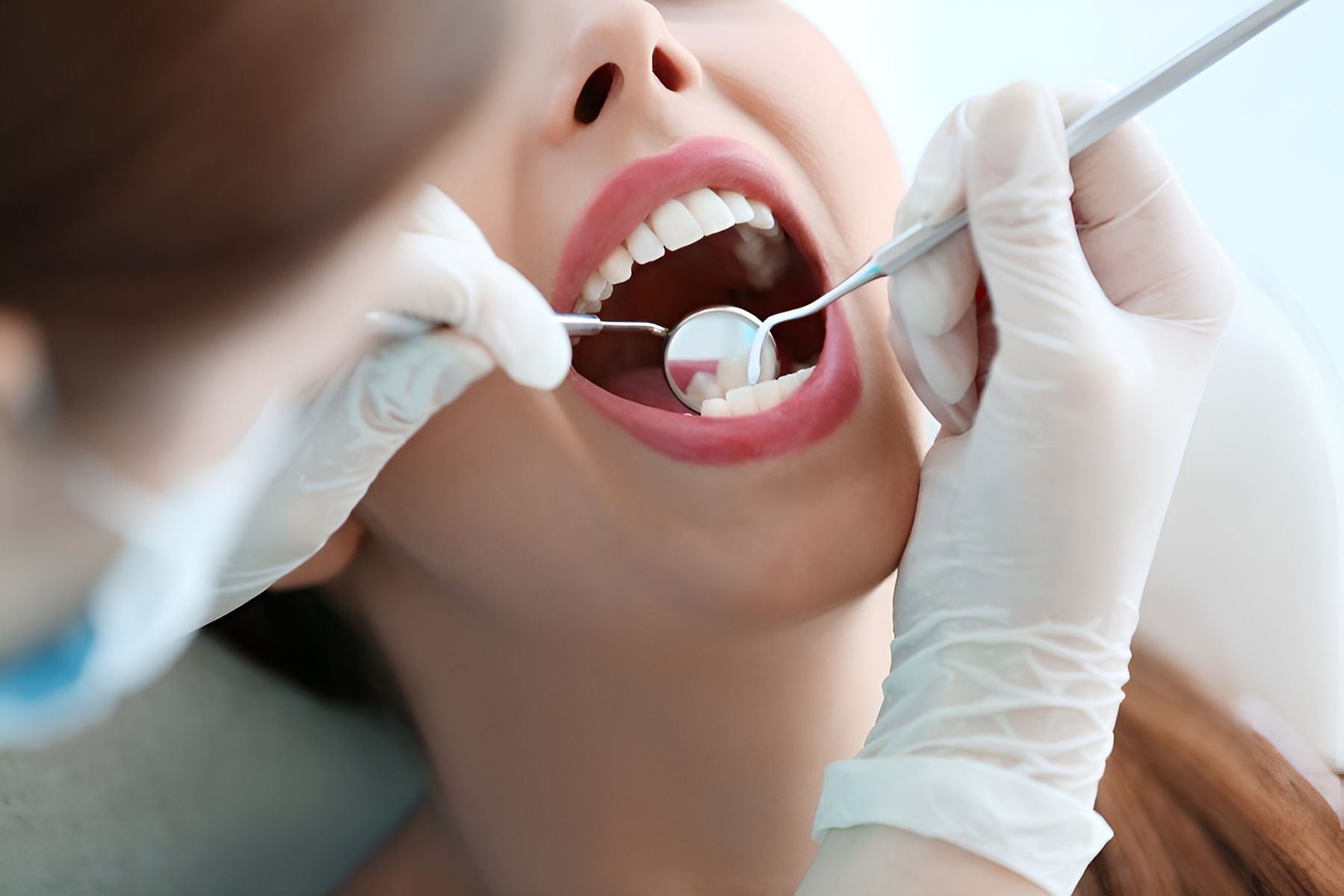
Once you arrive at the clinic, the focus will typically be on assessing the situation quickly and determining the most suitable way to manage it.
Here’s what you might expect during your visit:
- An initial discussion about what happened, how long symptoms have been present, and any self-care taken so far.
- A thorough examination of the mouth and surrounding areas, sometimes with X-rays to check for deeper issues like root damage or hidden decay.
- Relief measures may be applied, such as temporary fillings, local numbing agents, or draining of abscesses if required.
- Where appropriate, the dentist may stabilise a loose tooth, apply a crown or splint, or carry out a minor procedure to address urgent concerns.
- You’ll receive detailed instructions on how to care for the affected area after the appointment, and information about any follow-up care.
Being prepared for what may happen during the appointment can help reduce anxiety and support your decision-making.
Aftercare and Recovery: Looking After Your Mouth
Following emergency dental treatment, giving your mouth time to heal and following your dentist’s aftercare instructions is key to a more comfortable recovery.
Some things to keep in mind include:
- Take any prescribed medication as directed, whether for discomfort or to help manage infection.
- Avoid chewing on the side of your mouth where treatment was performed, especially if a temporary filling or dressing was used.
- Maintain a gentle oral hygiene routine, brushing carefully and avoiding direct contact with sore areas.
- Use saltwater rinses if advised, particularly for swelling, tenderness or gum irritation.
- Eat soft foods and stay away from hot, sticky or crunchy options for at least 24–48 hours, depending on the situation.
Monitoring the treated area over the following days and attending any recommended follow-up appointments supports longer-term recovery.
Preventing Future Dental Emergencies Where Possible
While some dental emergencies are unavoidable, others may be reduced through routine care and by being cautious during certain activities.
Here are some ways to lower the risk of dental emergencies:
- Attend regular dental check-ups to identify potential issues early, such as developing decay or weak enamel.
- Wear a custom mouthguard when playing contact sports or engaging in activities with a risk of facial injury.
- Avoid chewing hard foods like ice, popcorn kernels or lollies that can chip or crack teeth.
- Brush twice daily and floss regularly to maintain strong gums and teeth, supporting your mouth’s resilience.
- Don’t use your teeth as tools to open packaging or cut thread—this increases the risk of breakage or injury.
Having a proactive approach to oral health allows you to address concerns before they become urgent.
Choosing a Dentist for Emergencies & Ongoing Care
In an emergency, it helps to know which dentist you can contact without delay. A clinic that accommodates urgent needs while supporting your ongoing dental care offers peace of mind throughout the year.
When selecting an emergency dentist in St Ives, look for:
- Availability for same-day or urgent bookings when needed.
- Clear guidance during and after your visit so you can manage symptoms confidently at home.
- In-house diagnostic tools, such as X-rays or imaging, are used to assist with assessment.
- A commitment to listening, explaining options, and providing a calm, supportive environment.
By choosing a dental provider that balances both emergency and general care, you're investing in a long-term relationship that supports your oral health goals.
Need Dental Help Now? Here's What to Do
Unexpected dental pain or injury doesn’t need to derail your day. Whether it’s a broken tooth, a painful abscess or unexplained swelling, knowing where to turn can make a difficult moment more manageable. If you're looking for an emergency dentist, at St Ives Dental Boutique, we offer emergency dental services for residents needing fast, calm support.
To discuss your urgent dental concern or to book an emergency visit, contact us today. We’re here to support you with your next steps—whether you're managing sudden pain or need help with a dental injury. Visit our
contact page or
give us a call to speak with our team.