Common Signs You Might Need Braces Or Other Orthodontic Treatment
Orthodontic treatment can play an important role in improving dental alignment, bite function and overall oral health. While many people associate braces with teenagers, orthodontic care may be recommended for children and adults depending on their dental needs.
Recognising the early signs of orthodontic concerns can help families make informed decisions about their oral health. If you or your child are experiencing certain dental alignment issues, it may be helpful to seek an assessment from a dental clinic.
This guide explains some of the common signs that
braces or other orthodontic treatments may be recommended and when it may be appropriate to seek advice.
What Is Orthodontic Treatment?
Orthodontics focuses on diagnosing and managing irregularities in the alignment of teeth and jaws. Treatment options may include braces, clear aligners and other dental appliances designed to gradually move teeth into more optimal positions.
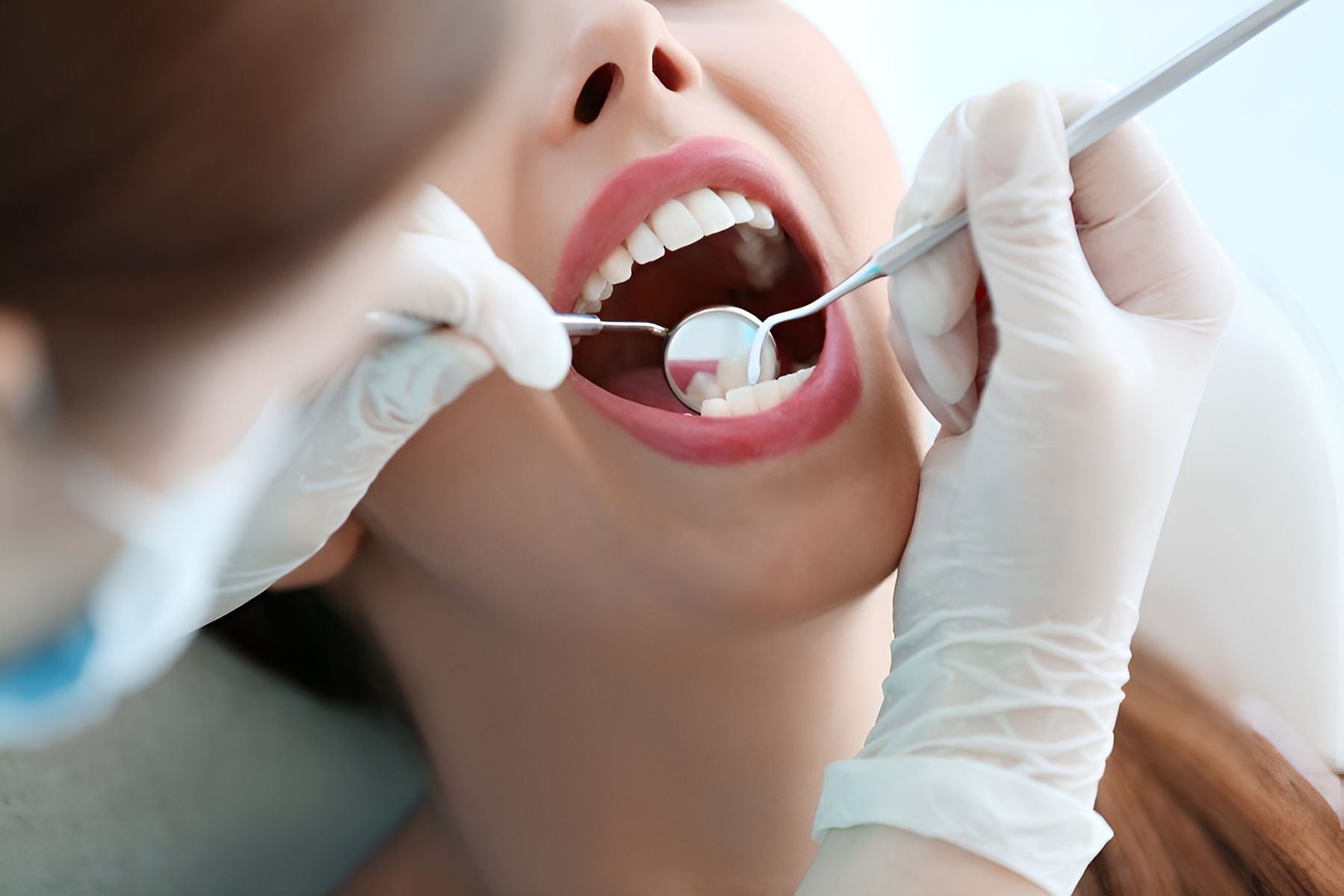
These treatments are commonly used to address issues such as crowding, spacing, bite misalignment and jaw positioning. Orthodontists can assess each patient individually and recommend appropriate treatment based on their dental development, oral health and personal goals.
Crowded or Overlapping Teeth
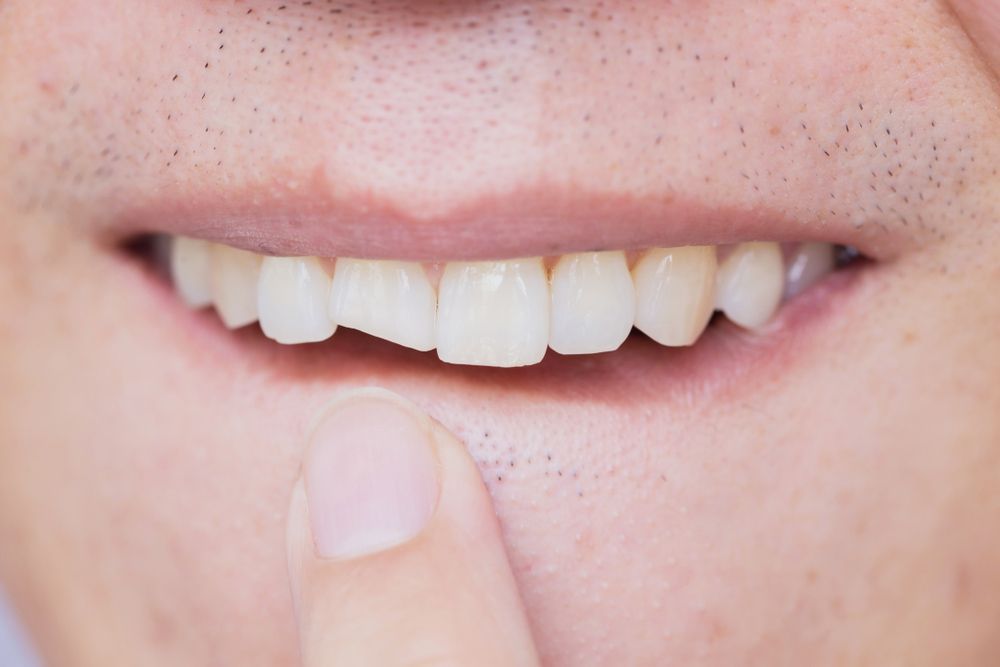
Crowding occurs when there is not enough space in the jaw for all teeth to fit properly. As a result, teeth may overlap, twist or shift out of alignment. Crowded teeth can sometimes make it more difficult to maintain effective oral hygiene because brushing and flossing between tightly positioned teeth may be challenging.
Parents may notice crowding in their child’s teeth as permanent teeth begin to emerge. An orthodontic assessment can help determine whether treatment such as braces or aligners may be beneficial. If you are concerned about tooth alignment, speaking with a dental clinic can help you understand the available options.
Noticeable Gaps Between Teeth
Gaps or spaces between teeth are another common orthodontic concern. While some spacing can be normal during childhood development, larger or persistent gaps may affect dental alignment or bite function. Spacing may occur due to differences in tooth size, jaw growth patterns or missing teeth.
Orthodontic treatments may sometimes be recommended to gradually move teeth into more balanced positions. A dental assessment can determine whether these gaps are part of normal development or if orthodontic treatment may be helpful.
Bite Alignment Issues
The way upper and lower teeth meet when the mouth closes is known as the bite. When teeth do not align properly, it can result in several types of bite irregularities. Some of the most common bite issues include:
Overbite
An overbite occurs when the upper front teeth significantly overlap the lower front teeth.
Underbite
An underbite occurs when the lower teeth extend beyond the upper teeth.
Crossbite
A crossbite occurs when some upper teeth sit inside the lower teeth rather than outside.
Open Bite
An open bite occurs when the front teeth do not meet when the mouth is closed.
Bite irregularities may sometimes affect chewing efficiency, speech clarity or long-term dental wear. If bite concerns are suspected, a dental professional can assess the situation and determine whether orthodontic treatment may be appropriate.
Difficulty Chewing or Biting
Some people experience difficulty chewing food or biting comfortably due to misaligned teeth or jaw positioning. This may present as:
- Difficulty biting into foods such as apples or sandwiches
- Uneven chewing pressure
- Jaw fatigue while eating
While these issues can have multiple causes, they may sometimes be associated with orthodontic concerns. A dental examination can help identify the underlying cause.
Jaw Pain or Clicking Sounds
Jaw discomfort, clicking or popping sounds in the jaw joint may indicate issues related to jaw alignment or bite function. Although these symptoms can have various causes, dentists sometimes assess bite alignment when patients report jaw pain or tension. If jaw discomfort persists, seeking advice from a dental team may help determine whether orthodontic factors could be involved.
Early or Late Loss of Baby Teeth
Children typically lose their baby teeth in a predictable pattern as permanent teeth begin to emerge. However, losing baby teeth significantly earlier or later than expected can sometimes affect how adult teeth grow in. In some cases, this may contribute to crowding or alignment concerns.
Orthodontic assessments during childhood can help monitor dental development and identify potential issues early. Parents often choose to visit a St Ives dental clinic for routine
dental check-ups so their child’s oral development can be monitored.
Mouth Breathing or Speech Difficulties
Persistent mouth breathing or certain speech difficulties can sometimes be associated with dental or jaw alignment concerns. While these symptoms may have various causes, dentists may consider orthodontic factors when evaluating oral development.
If a child frequently breathes through their mouth or experiences speech challenges, discussing these concerns may help determine whether orthodontic assessment is recommended.
Is It Ever Too Late to Get Braces?
Many people assume orthodontic treatment is only suitable for teenagers, but adults can also benefit from orthodontic care. Advances in orthodontic technology have introduced more discreet treatment options, including clear aligners and less noticeable braces.
Adults who are considering orthodontic treatment often choose to explore available treatment options and determine whether orthodontic care may help improve their dental alignment.
When Should You Seek an Orthodontic Assessment?
While every individual’s dental development is unique, many dentists recommend orthodontic assessments during late childhood or early adolescence. However, orthodontic evaluations may also be appropriate for adults who notice changes in their bite, tooth alignment or jaw comfort. Signs that may prompt an orthodontic assessment include:
- Crowded or overlapping teeth
- Large gaps between teeth
- Bite misalignment
- Jaw discomfort or clicking
- Difficulty chewing
- Concerns about tooth positioning
An evaluation can help determine whether orthodontic treatment may be beneficial and what options may be available.
Why Professional Dental Advice Matters
Orthodontic concerns can vary widely between individuals, which is why evaluation is important before making decisions about treatment. Dentists consider several factors when assessing orthodontic needs, including:
- Tooth alignment
- Jaw development
- Bite function
- Overall oral health
- Age and dental development stage
By visiting a trusted St Ives dental clinic, patients and families can receive personalised advice based on their specific oral health needs.
Supporting Long-Term Oral Health
Orthodontic treatment is often recommended not only for aesthetic reasons but also to support long-term oral health and function. Properly aligned teeth can make daily oral hygiene easier and may help reduce the risk of certain dental concerns over time.
If you or your child have noticed possible signs of orthodontic issues, arranging a consultation at a St Ives Dental Clinic can help you better understand your options and determine whether treatment such as braces or clear aligners may be appropriate.
Seeking guidance ensures that decisions about orthodontic care are based on a thorough dental assessment and individual oral health needs.
Book with St. Ives Dental Boutique today.